
Bringing Home a Puppy: The First 48 Hours and the First 2 Weeks
You are about to pick up your puppy, or maybe you just did and you are reading this at two in the morning while a small creature whimpers in a crate next to your bed. Either way, take a breath. The first 48 hours set the tone, and the first two weeks build the foundation for everything that comes after.
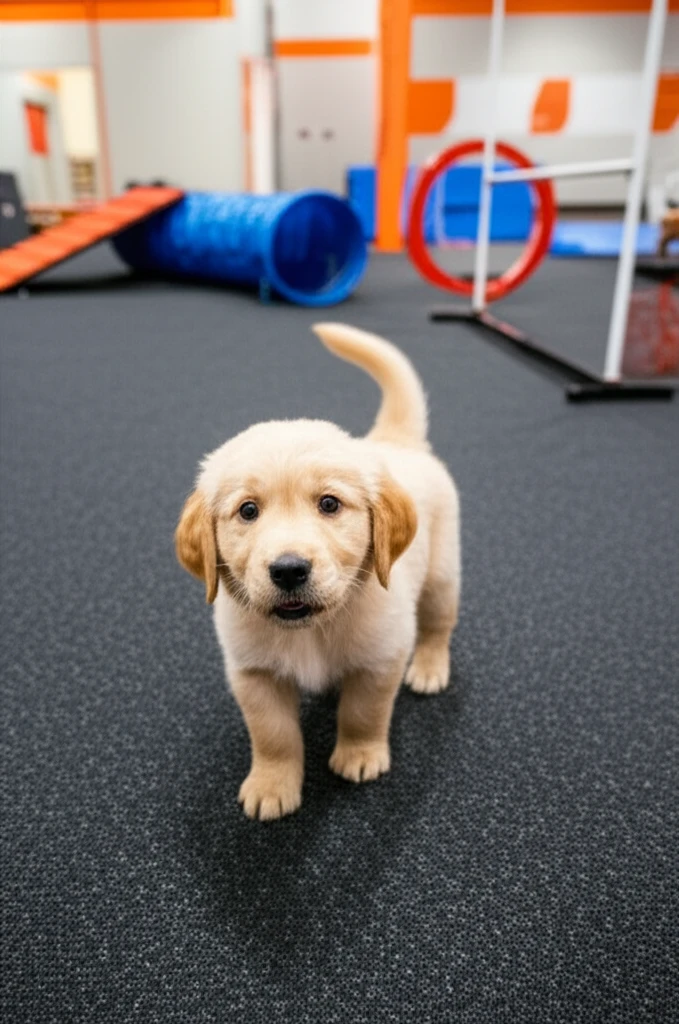
Before Pickup: Puppy-Proofing That Actually Matters
Puppy-proofing is not about making your home look like a padded cell. It is about removing the things that will hurt your puppy or cost you an emergency vet bill, and managing access to the rest. Your puppy will chew. That is not a behavior problem. That is a puppy being a puppy. Your job is to make sure the things they can reach are safe to chew and the things that are not safe are out of reach.
Start with the essentials: electrical cords bundled and covered or behind furniture. Cleaning supplies, medications, and toxic foods (chocolate, grapes, xylitol, onions) stored in closed cabinets. Houseplants checked against a toxic plant list, because several common ones, including lilies, pothos, and sago palms, are genuinely dangerous. Shoes, socks, children's toys, and anything small enough to swallow picked up off the floor. Trash cans with lids or stored inside cabinets.
Then manage space. Your puppy does not need access to your entire home on the first day. Use baby gates to limit them to one or two rooms where you can supervise. The kitchen or a family room with hard floors is ideal for the potty training phase. Every room your puppy can access unsupervised is a room where they can have an accident you do not catch, chew something they should not, or practice a behavior you will spend weeks trying to undo. Destructive chewing almost always starts as unsupervised access to tempting items. Prevent it from becoming a habit by managing the environment from day one.
The First 48 Hours: Less Is More
The impulse on day one is to show your puppy everything: the whole house, the backyard, the neighbor's dog, the kids' friends, the pet store. Resist it. Your puppy just left their mother, their littermates, and the only environment they have ever known. Everything is new. The smells, the sounds, the people, the surfaces under their feet. That is already a lot to process.
For the first 48 hours, keep it small. Let your puppy explore one or two rooms at their own pace. Take them to the potty spot immediately upon arrival and every 30 to 60 minutes after that. Show them where the water bowl is. Introduce the crate with the door open and a few treats inside, no pressure. Feed meals in the crate to start building a positive association. Let your puppy nap when they need to, which will be often.
Family introductions should be calm. Everyone sits on the floor and lets the puppy approach on their own terms. No picking up and passing around. No crowding. If you have children, teach them the rule now: let the puppy come to you. A puppy who is grabbed, squeezed, and chased on day one learns that small humans are overwhelming, and that association is hard to reverse.
The first night will likely involve some crying. Your puppy is alone for possibly the first time in their life. Place the crate next to your bed so they can hear and smell you. Set an alarm for a middle-of-the-night potty break rather than waiting for desperate crying. Keep the trip outside quiet and boring: potty, then back to the crate. No play, no conversation. You are teaching your puppy that nighttime is for sleeping, not socializing.
The Socialization Clock Is Ticking
Here is the thing most new puppy owners do not hear soon enough: the critical socialization window is already open and it starts closing around 14 to 16 weeks. If your puppy is eight weeks old when you bring them home, you have roughly six to eight weeks of prime socialization time. This is not a window you can reopen later. The experiences your puppy has during this period, positive, neutral, or negative, shape their temperament for life.
Socialization does not mean overwhelming your puppy with experiences. It means thoughtfully exposing them to new things at a pace they can handle, while making those experiences positive. Different surfaces (grass, tile, metal grates, wood chips). Different sounds (traffic, vacuum, doorbell, children playing). Different people (men with hats, people with umbrellas, people in wheelchairs, people of different heights and builds). Different dogs, in controlled settings where interactions are supervised and safe.
Start puppy socialization classes as soon as your puppy has their first set of vaccinations, which is typically at eight weeks. You do not need to wait until the vaccination series is complete. The behavioral risk of insufficient socialization is far greater than the disease risk of a well-managed indoor class with vaccinated puppies. The American Veterinary Society of Animal Behavior has been clear on this point: puppies should be in socialization classes by the time they are seven to eight weeks old.
Every positive new experience your puppy has during this window is an investment that pays off for years. A puppy who meets 100 friendly people in their first three months is a dog who greets strangers with a wagging tail instead of fear or reactivity. A puppy who plays with other puppies in structured settings develops bite inhibition and social skills that no amount of human training can replicate. This is the work that matters most right now.
Potty Training Starts the Moment You Walk In the Door
Potty training is not something you begin when you feel settled. It starts the instant your puppy's feet touch the ground at your home. Carry your puppy from the car to the designated potty spot. Wait. When they go, say your potty cue ("go potty," "do your business," whatever you choose) and reward immediately with a treat and calm praise. You have just completed the first repetition of a process you will repeat hundreds of times over the next few weeks.
The schedule is relentless but straightforward. Take your puppy outside after every nap, every meal, every play session, every time they come out of the crate, and every 30 to 60 minutes in between. Young puppies have tiny bladders and almost no ability to hold it. If your puppy has an accident inside, it is because you waited too long, not because they are being defiant. Clean it up with an enzymatic cleaner, adjust your timing, and move on. No scolding, no nose-rubbing, no drama. Punishment after the fact teaches your puppy nothing about where to go. It only teaches them to hide when they need to go.
The crate is your best potty training tool because puppies naturally avoid soiling their sleeping space. Use the crate for naps and any time you cannot directly supervise. When your puppy is out of the crate, they should be within your line of sight. If you cannot watch them, they go back in the crate. This sounds strict, and it is, but it is also temporary. Consistent management now means freedom later, because a puppy who never practices going inside develops the habit of going outside far faster than a puppy who has been having unsupervised accidents all over the house.
Week One Through Week Two: Building the Rhythm
By the end of the first week, you should have a basic routine in place: wake, potty, breakfast, play or training, nap, potty, repeat. Your puppy is starting to learn where the potty spot is. The crate is becoming familiar. You are starting to read your puppy's signals, the sniffing and circling that means they need to go out, the wild mouthing that means they are overtired, the calm chewing that means they are settled.
In week two, start layering in short training moments. Not formal sessions. Just capturing and rewarding behavior you want. Your puppy sits before you put the food bowl down? Say "yes" and put the bowl down. They look at you on a walk? Treat. They walk into the crate on their own? Treat. These micro-sessions, 30 seconds to two minutes, build your puppy's understanding that paying attention to you produces good things. This is the foundation of positive reinforcement training and the approach used in every Zoom Room class.
By the end of week two, your puppy should be enrolled in a socialization or puppy training class if they are not already. They should be on a consistent feeding and potty schedule. They should be comfortable in the crate for naps and short periods. And you should be starting to feel like you have a handle on the basics, even if it does not feel graceful yet.
What you should not expect by week two: a fully potty-trained dog, a puppy who does not bite, a dog who sleeps through the night every night, or a calm animal who sits politely when guests arrive. These things take weeks to months. Impulse control is one of the last skills to develop in young dogs. Your puppy is doing exactly what puppies do, and your job right now is to manage the environment, build positive associations, and start the socialization work that will shape who they become.
If you are feeling overwhelmed, that is normal. You just changed your entire daily routine for a creature who does not speak your language yet. It gets better. And having professional support from the start, trainers who can answer your specific questions and show you what to do in real time, makes a significant difference. Find a Zoom Room near you and get that first class on the calendar. You will be glad you did.
Frequently Asked Questions
How old should a puppy be before bringing them home?
Eight weeks is the minimum age a puppy should leave their mother and littermates. Many breeders and rescues will not place puppies before this age, and some states have laws requiring it. Those final weeks with the litter are critical for early socialization, bite inhibition learning, and emotional development. Puppies removed before seven to eight weeks are more likely to develop behavioral issues including difficulty with bite inhibition, anxiety, and poor social skills with other dogs. If a breeder offers to send a puppy home at five or six weeks, that is a red flag about the breeder, not a benefit for you.
Should I take time off work when I bring a puppy home?
Yes, if at all possible. The first three to five days are the most intensive period for establishing a potty routine, crate introduction, and helping your puppy adjust to their new environment. Puppies need to go outside every 30 to 60 minutes during the day, and they need supervision any time they are out of the crate. Trying to manage this remotely or in between work calls is stressful for both of you. If you cannot take time off, consider bringing your puppy home at the start of a weekend and arranging for a friend, family member, or professional pet sitter to help with midday breaks during the first two weeks.
My puppy is not eating much in the first few days. Should I be worried?
A temporary decrease in appetite during the first one to three days is common and usually not cause for alarm. Your puppy is adjusting to a completely new environment, new food, new water, and the stress of leaving their litter. Offer meals at consistent times, leave the food down for 15 to 20 minutes, then pick it up. Do not start adding toppers or switching foods immediately in a panic. If your puppy refuses food entirely for more than 24 hours, seems lethargic, has vomiting or diarrhea, or shows other signs of illness, contact your veterinarian. Puppies can dehydrate quickly, so make sure fresh water is always available even if food intake is low.
Ready to Get Started?
The best time to start puppy classes is the week you bring your puppy home. Zoom Room's socialization and puppy training classes welcome dogs as young as eight weeks, and you train alongside your puppy from the very first session.
Find a Zoom Room