
Destructive Chewing: Why Your Dog Chews Everything and How to Redirect It
You come home to a shredded couch cushion, a demolished pair of shoes, and a dog who looks like they know exactly what they did. Except they do not. That look is not guilt. And the chewing is not spite. Your dog has a chewing problem, and solving it starts with understanding why it is happening.
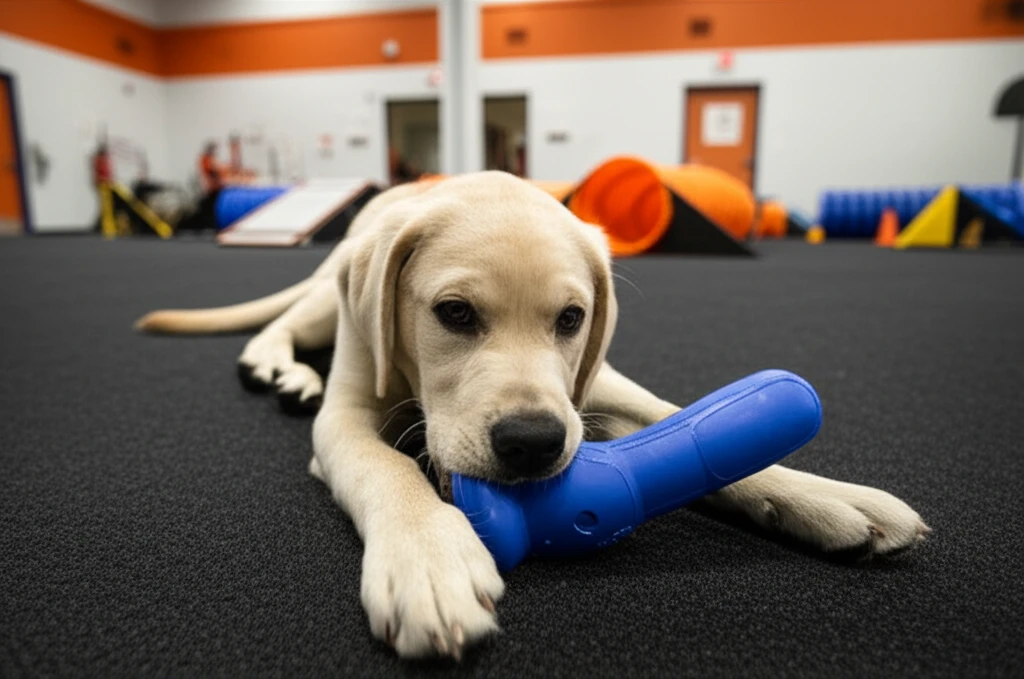
Chewing Is Normal. Destruction Is a Symptom.
All dogs chew. Puppies chew because they are teething and their gums hurt. Adolescent dogs chew because they are exploring the world with their mouths the way a toddler grabs everything within reach. Adult dogs chew because it feels good: chewing releases endorphins, exercises the jaw, and provides sensory stimulation. Chewing is a healthy, natural behavior, and the goal of training is never to eliminate it. The goal is to redirect it to appropriate targets.
Destructive chewing, the kind that ruins furniture, baseboards, shoes, and remote controls, is a symptom of something else. It could be boredom, insufficient mental stimulation, teething pain, anxiety, or simply a lack of guidance about what is and is not an acceptable chew object. Figuring out which category your dog falls into determines what you do about it.
One thing it is never about: revenge. The idea that your dog chewed your shoes because they were mad at you for leaving is a myth rooted in anthropomorphism. Dogs do not plan retribution. The "guilty look" your dog gives you when you discover the damage is an appeasement display triggered by your body language and tone, not by any memory of the act itself. Research has shown that dogs display these appeasement signals whether or not they actually did the thing their owner is upset about. They are responding to your frustration, not confessing to a crime.
Boredom vs. Anxiety: Two Very Different Problems
Boredom chewing and anxiety chewing look similar on the surface, shredded items, damaged surfaces, but they have completely different causes and require different solutions. Getting the diagnosis right matters, because the intervention for one can make the other worse.
Boredom chewing typically happens when your dog has been left alone with nothing to do. The destruction is spread around the house: a cushion here, a shoe there, some paper towels from the trash. The dog is otherwise relaxed and happy when you are home, shows no distress at your departure, and the chewing stops when they have more to do. This is the easier problem to solve because it responds well to enrichment, management, and redirection.
Anxiety-driven chewing looks different. The destruction is often concentrated at exit points: door frames, window sills, crate trays, and barriers the dog was trying to get through. You might also see drooling, panting, howling, or elimination accidents alongside the chewing. The dog may start getting visibly distressed as you prepare to leave, following you from room to room, pacing, or whining. This is separation anxiety, and it is a panic response, not a behavior problem. Adding more chew toys will not fix it, because the dog is not chewing out of boredom. They are chewing in a state of genuine distress, and the treatment requires a systematic desensitization protocol that addresses the underlying panic.
If you are unsure which category your dog falls into, set up a camera and record what happens when you leave. A bored dog will wander around, eventually find something to chew, and settle in. An anxious dog will show escalating distress within minutes of your departure: pacing, vocalizing, and frantic attempts to escape or self-soothe through chewing.
Management: Prevent the Practice
Every time your dog successfully chews something inappropriate, they have practiced the behavior and been reinforced by it, because chewing feels good. Your first job is to make it impossible for the wrong items to be chewed while you teach your dog what they should chew instead.
Puppy-proof the space. Pick up shoes, close closet doors, put remote controls in drawers, move power cords behind furniture or into cord covers, and use baby gates to limit access to rooms you cannot supervise. This is not a permanent lifestyle change. It is a temporary measure while your dog learns the rules. Think of it the same way you would childproofing: you do not leave scissors on the floor and then punish a toddler for touching them. You move the scissors and give the child something safe to hold.
Supervision is management too. When you are home, keep your dog in the same room with you. If you cannot actively watch them, use a crate, an exercise pen, or a tether attached to a heavy piece of furniture with a comfortable bed and an appropriate chew nearby. This is not punishment. It is setting your dog up to succeed by limiting their options to things they are allowed to have.
When you leave the house, confine your dog to a safe, puppy-proofed area. For puppies and adolescent dogs, a crate with an appropriate chew is often the best option. For adult dogs who are past the teething stage, a single room with a baby gate and no access to tempting items works well. Remove the opportunity for destruction, and the behavior cannot be practiced.
Redirection and Enrichment: Teach What to Chew
Management prevents the wrong choices. Enrichment provides the right ones. Your dog needs to chew, so your job is to make appropriate chew objects more interesting and accessible than your furniture.
Stock up on a variety of chew items so you can rotate them: rubber Kongs stuffed and frozen with peanut butter and kibble, bully sticks, Benebones, Nylabones, and other durable chews appropriate for your dog's size and chew strength. Different textures satisfy different chewing motivations. A dog who shreds soft items may prefer a stuffed Kong or a plush toy designed for heavy chewers. A dog who gnaws on hard surfaces may prefer a Nylabone or antler. Observe what your dog gravitates toward and provide more of that texture in appropriate form.
When you catch your dog starting to chew something inappropriate, calmly interrupt them (a neutral "ah-ah" or simply picking up the item) and immediately offer an appropriate alternative. When they take the alternative, mark and reward. Do not scold, yell, or chase the dog. Punishment after the fact does nothing because your dog cannot connect the correction to the chewing they did 20 minutes ago. And punishment in the moment teaches the dog to chew when you are not watching, which is worse.
Enrichment goes beyond chew toys. Food puzzles, snuffle mats, scatter feeding in the yard, frozen lick mats, and training sessions all provide mental stimulation that reduces the boredom driving destructive behavior. A dog who has had a 10-minute training session and a frozen Kong before you leave the house is significantly less likely to go looking for their own entertainment in your shoe closet. Puppy classes that include enrichment activities give your dog a head start on learning how to engage with appropriate outlets.
The Long Game: Building Better Habits
Destructive chewing is not a problem you solve in a weekend. It is a behavior you manage while building new habits over weeks and months. Puppies typically outgrow the most intense teething-driven chewing by around six months, but adolescent chewing (the exploratory, boredom-driven kind) often peaks between six and eighteen months. If you manage the environment and provide consistent redirection during this period, most dogs emerge as adults who reliably choose their own toys over your belongings.
Gradually expand your dog's unsupervised access as they demonstrate trustworthiness. Start by leaving them loose in one puppy-proofed room for short periods. If nothing gets destroyed, extend the duration. Then add a second room. Then the whole house. Each expansion should be earned through a track record of good choices, not given all at once because you are tired of managing the crate.
Exercise and mental stimulation are the long-term prevention plan. A dog who gets daily walks, regular training sessions, food puzzles at meals, and appropriate chew items available at all times is a dog whose chewing needs are met. They have no reason to resort to the furniture because their brain and body are already engaged. An indoor training gym provides structured enrichment and socialization that complement what you do at home, giving your dog regular outlets for the physical and mental energy that drives destructive behavior.
If your dog's chewing is not improving with management and enrichment, or if it is accompanied by signs of anxiety, consult a professional. At Zoom Room, our trainers can help you identify the root cause, build a management plan, and teach the redirection skills that turn a destructive chewer into a dog who knows exactly what is theirs. Find a Zoom Room near you to get help.
Frequently Asked Questions
How do I stop my puppy from chewing everything during teething?
Teething chewing peaks between three and six months of age and is driven by genuine gum discomfort. Provide a variety of appropriate chew items, especially frozen ones like a frozen wet washcloth, a frozen stuffed Kong, or a rubber teething toy that has been chilled. The cold soothes inflamed gums. Rotate items to keep them novel. Manage the environment by puppy-proofing and using a crate or exercise pen when you cannot supervise. When your puppy grabs something inappropriate, calmly redirect to an appropriate chew and praise them for taking it. This phase passes, but the good chewing habits you build during it will stick.
Should I punish my dog for chewing my things?
No. Punishment does not teach your dog what to chew. It teaches them to chew when you are not watching, which makes the problem harder to address. If you come home to destruction and scold your dog, they cannot connect your anger to something they did an hour ago. The appeasement signals people read as guilt are actually a response to your tone and body language, not an acknowledgment of wrongdoing. Instead of punishing, manage the environment to prevent access to inappropriate items, redirect to appropriate chews when you catch them in the act, and reward your dog generously for choosing their own toys.
My adult dog suddenly started chewing things after years of good behavior. What changed?
Sudden onset destructive chewing in an adult dog who was previously reliable is a red flag that something has changed. Common causes include a medical issue like dental pain, gastrointestinal discomfort, or a new medication. Environmental changes like a move, a new family member, a change in schedule, or the loss of a companion animal can trigger anxiety-based chewing. Cognitive decline in senior dogs can also cause chewing behavior to resurface. Start with a veterinary visit to rule out medical causes. If the dog is healthy, look at what has changed in their environment or routine and address the underlying stressor.
Need Help with Destructive Chewing?
Zoom Room's trainers help you identify the cause of your dog's destructive chewing and build a plan using management, enrichment, and positive redirection. You learn alongside your dog in a supportive indoor gym environment.
Find a Zoom Room